After reading Part One and Part Two in our GDPR series, you may be wondering how to handle a marketing strategy for your business after the legislation comes into effect. Don’t panic! We’ve come up with some GDPR-compliant marketing strategies to help you find new customers.
- Use Vehicle Advertising
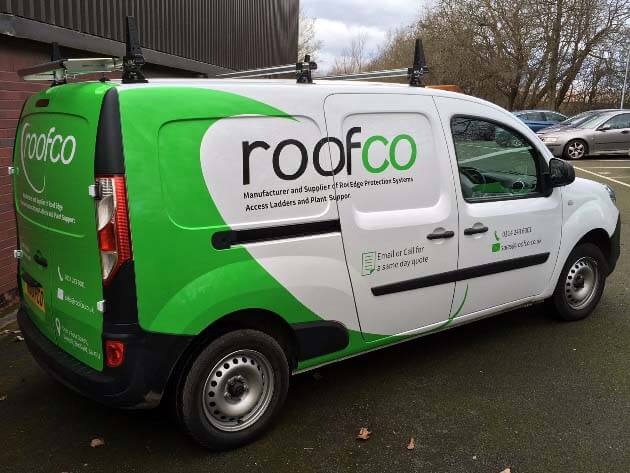
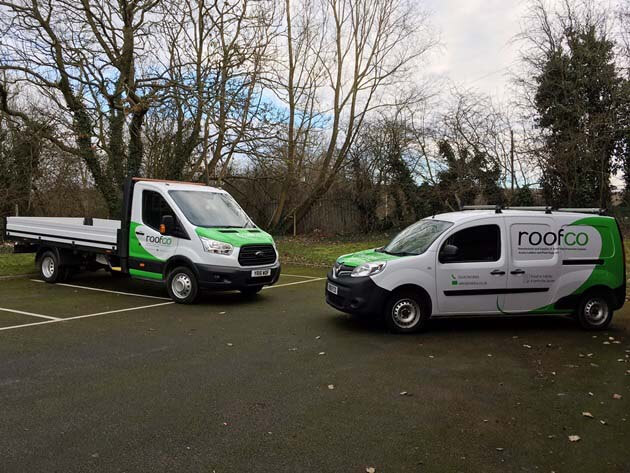
It’s old-school, but it works. We have our Roofco vans branded and it’s certainly helped us pick up more business. Using vehicle advertising is cheap, quick, and easy to implement, and it increases brand awareness from the minute your signs go on your vans.
People will see your branding wherever you go, especially when you’re parked up and working on a roof maintenance job. This type of marketing is always GDPR-compliant, as you’re not taking anyone’s personal data in order to promote your roof contractor business.
- Use Flyers With Opt-Out Boxes
Send out a local flyer drop in your area of business and make sure to include an enticing offer to generate interest! This offer remains within GDPR compliance if you allow people a way to opt out of future marketing once they’ve contacted your business for more details about the offer.
This can be easily done with a simple tick box on the flyer to be returned, or on the website landing page the flyer directs people to, which allows customers to opt out of future marketing. If you receive physical flyers to gather customer details, you must keep hold of them as a record of explicit consent to receive (or not receive) marketing information from your business.
Remember: once somebody has registered their interest in your business, even if they have opted out of marketing emails you can still send them information with a ‘legitimate interest’ or transactions.
- Use Highly Visible Signage
Invest in outdoor advertising with banners and metal signs to promote your business. It’s best to find high-traffic areas, or those areas in which your favoured business types operate. For example, if you specialise in warehouse roof maintenance it could be worth advertising on a billboard near industrial estates.
While the ROI of physical signs is hard to test, improving brand visibility will only increase awareness of your company as time passes. A long-term sign in a visible area is likely to generate many high-value leads over time.
- Use Print Advertising
Whether it’s a small ad in your local free magazine or a full page in a trade publication, print advertising – while old-school – can still be highly effective. Running local campaigns works well for companies, as people prefer to employ tradesmen within their area. Look for local magazines, papers, and newsletters that will allow you to advertise.
You could even offer to provide an article with some expert advice about your working from height experiences in return for a byline and a link to your website. This is a great way to build authority in your area, and help potential customers trust your knowledge and business which’ll be easy to convert into business leads.
Essential Points to Remember About GDPR For Your Business
That’s the end of our GDPR series – we hope it’s helped you understand these new data protection regulations.
Here’s a quick summary of things to remember about gaining GDPR compliance before 25th May 2018:
- Update your privacy policy and make it freely available
- Add opt-in boxes to your website landing pages
- Create a way for customers to easily opt out of future marketing
- Make sure your database is fully secure and encrypted, with access limited to essential personnel
- Minimise the use of personal data in your marketing where possible (such as flyer distribution to postcode areas instead of to individual names)
- Adopt alternative marketing channels such as vehicle advertising to generate inbound leads
That’s it! For small and local companies, the GDPR doesn’t need to be a scary prospect. It’ll actually improve your marketing overall in the end, as you’ll be only marketing to those who have opted to receive information from your company. That means you’re going to spend less on converting more leads!
Disclaimer: The EU GDPR is a very complex legislation. We have provided a summary of the regulation but this does not constitute legal advice. If you have any questions about how the GDPR may affect your business, contact the Information Commissioner’s Office, handlers of GDPR within the UK.