We specialise in roof safety rail systems. It's kinda our 'thing'. But it can be confusing for someone new to roof safety - such as a new business premises owner, or a startup contracting company looking to install and maintain roof-level plant such as air conditioning.
There are important things to know - whether you're a business owner seeking to reduce litigious charges on falls from height, or a contractor employing staff who work on roof or scaffolding jobs. We covered your obligations to working at height safety in a blog a little while back but here's the gist of it: whether you're a business premises owner or a contractor, you still have an obligation to the safety of workers.
In the case of companies using staff to maintain plant or roofing at height, you need to provide personal protection equipment. However, as we saw in another recent blog, PPE relies on the human interaction of physically putting it on and clipping to a line in order to be effective. That's why you should be encouraging all business owners to do their bit, too: have roof safety rails installed on all accessible parts of their business premises rooftops!
So What Are The Benefits Of A Freestanding Roof Safety Rail?
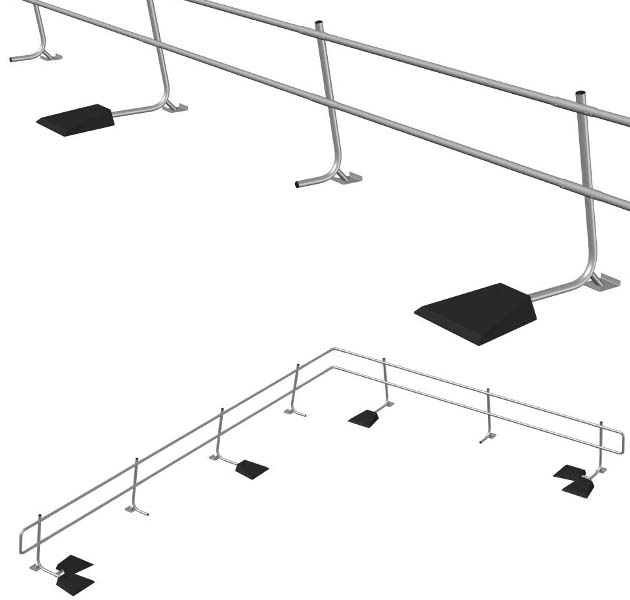
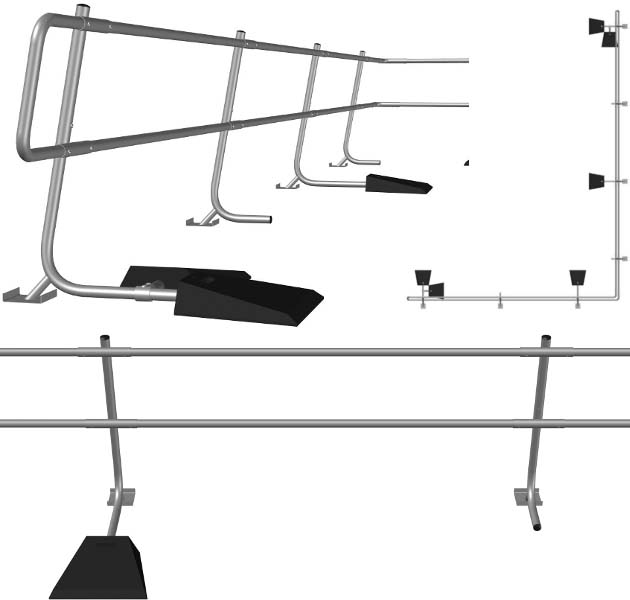
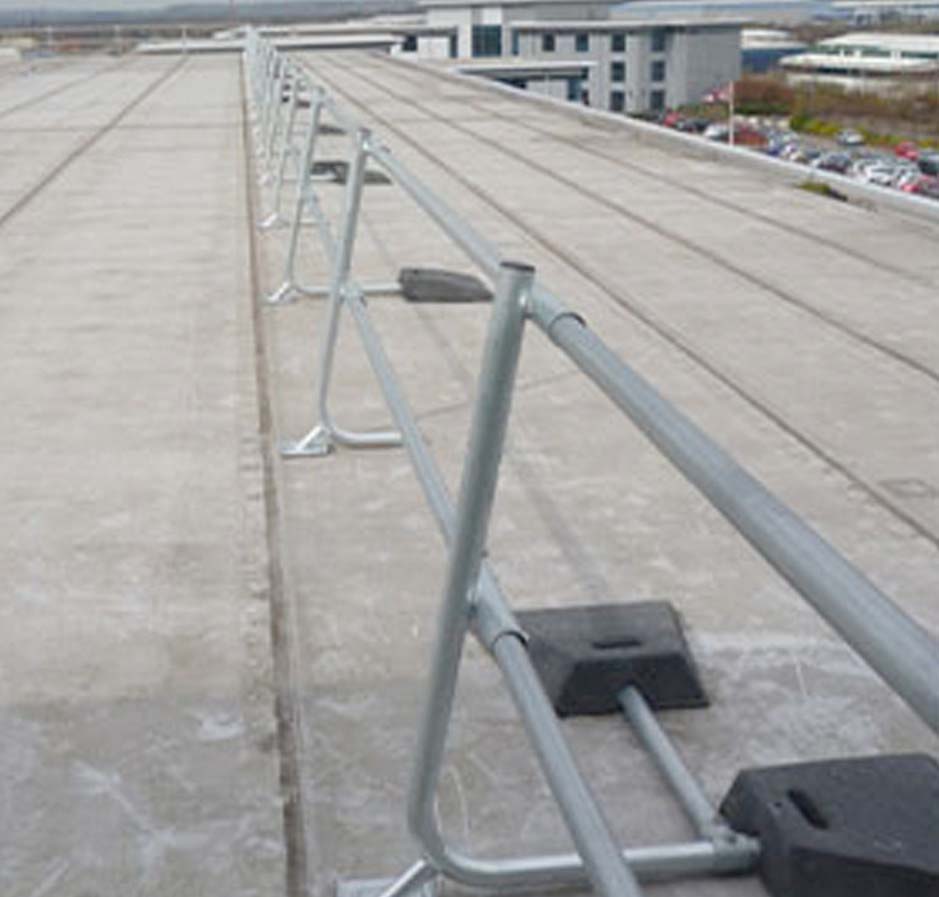
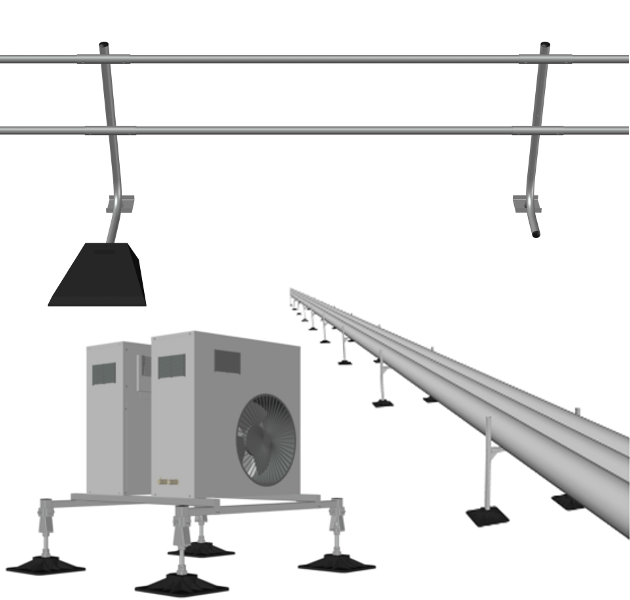
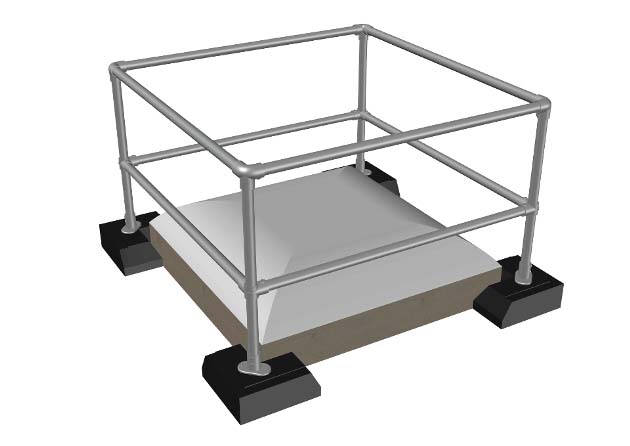
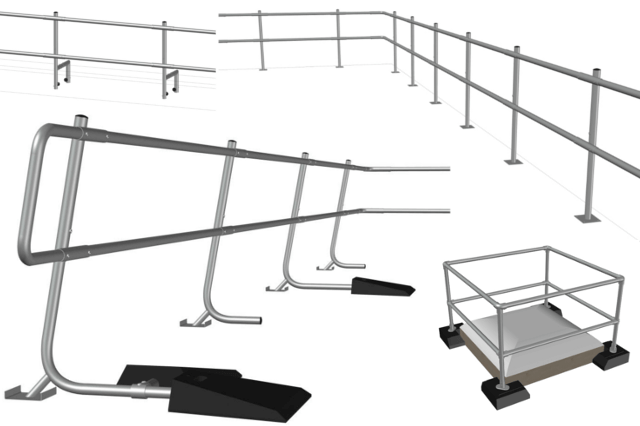
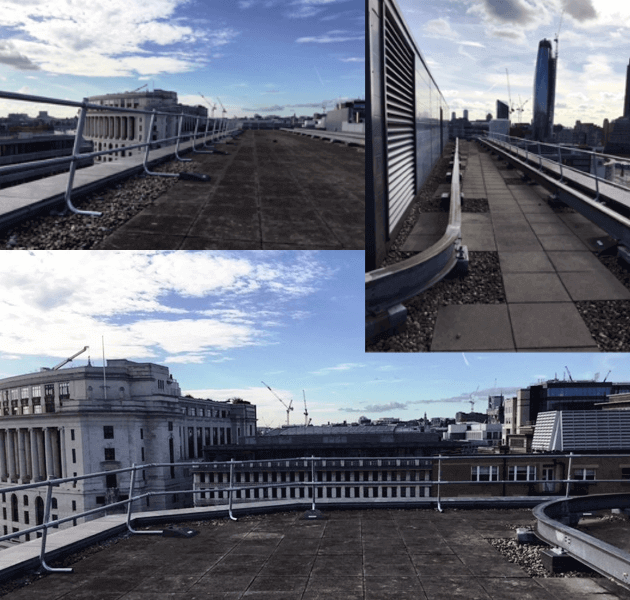
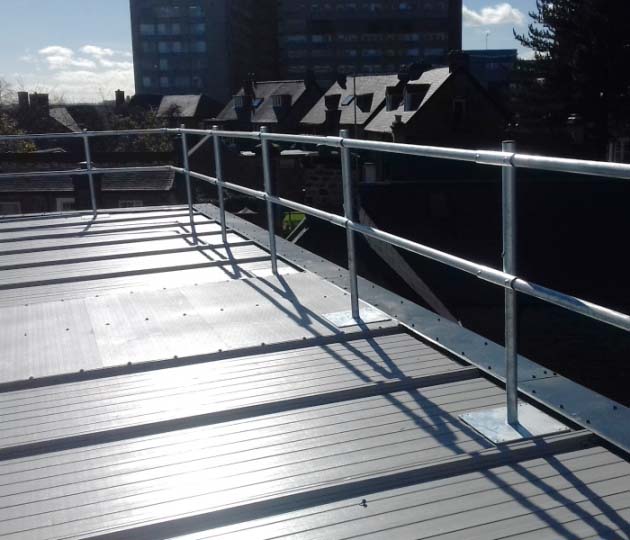
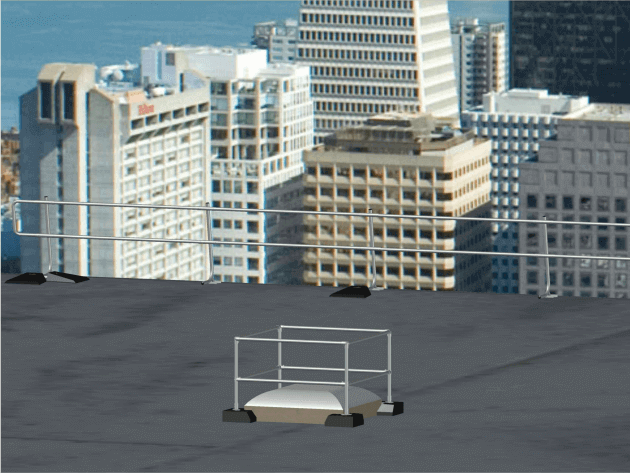
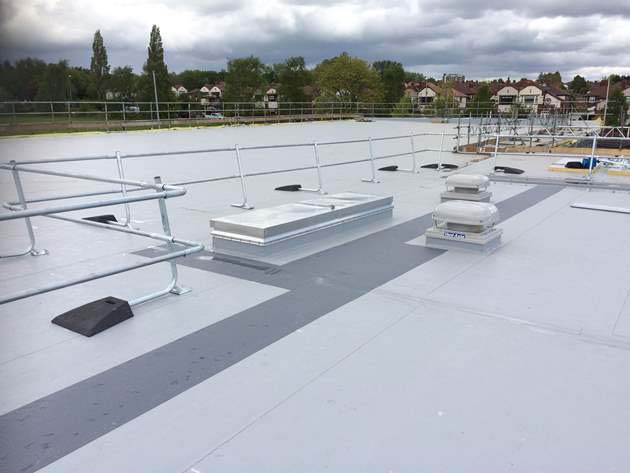
There are different types of rail, fixed and freestanding. Both have their merits, but today we're looking at Freestanding Rhinorail Roof Safety Systems as an example of freestanding rails. The top benefits to a freestanding rail for ultimate roof safety include:
- Total flexibility: move them where you need them
- Economical: buy only the rail you need, with no excess
- Quick and easy to install: no special tools required
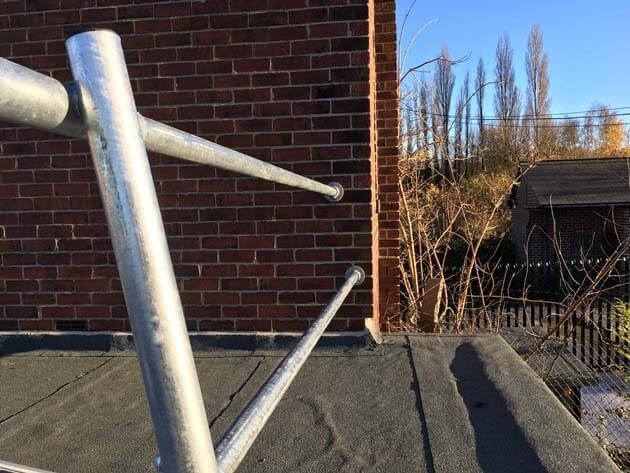
- Great integration: work with fixed rails so you can develop a truly bespoke safety system
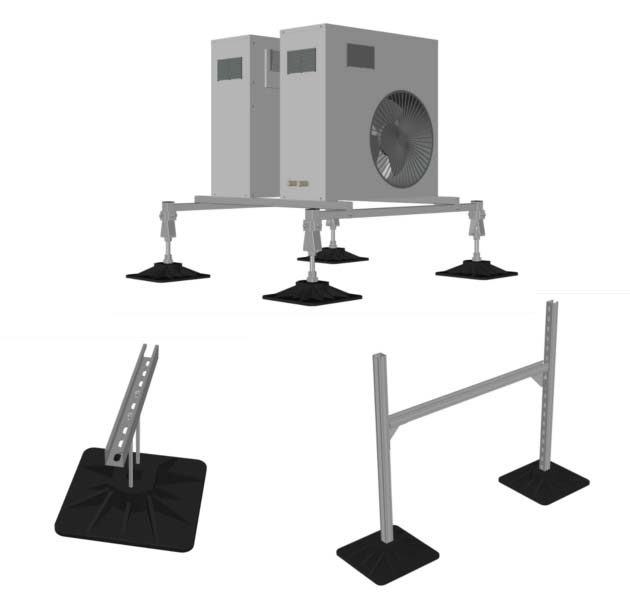
- No structural damage: no need to drill into the roof to secure the rail system
- Top safety: tested on all roof surfaces
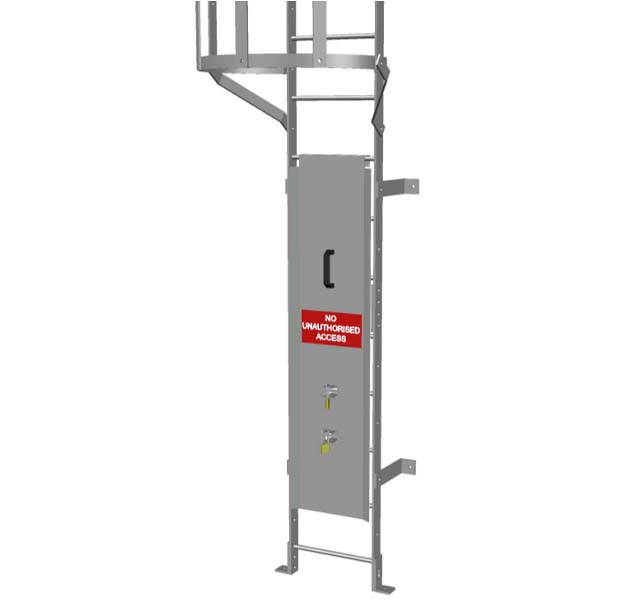
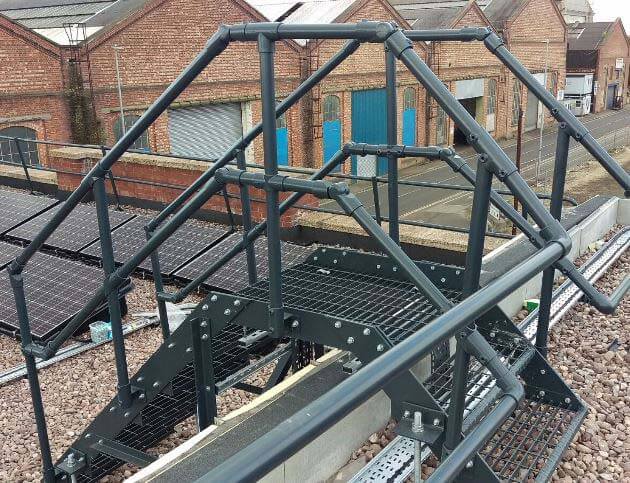
- Work around complex roofing structures: integrates with platforms and up-and-over ladders for multi-level roofing areas
- Add extra protection: can be placed anywhere on a roof area to designate access routes, rather than just as a perimeter
- Environmentally friendly: post weights are made from recycled rubber
How Easy and Economical Is A Freestanding Roof Safety Rail, Really?
We're not kidding when we say anyone can install a Rhinorail roof safety system. All it takes is some simple logic and an allen key. Really! Plus a good set of muscles to heft the weights around.
A full perimeter system can be set up in mere hours, with absolutely no disruption to business operation. That's because there's no need to drill into the structure, and the rails can be constructed and cut to size in-situ, so there's no need to lift bulky pre-made frames.
A freestanding roof safety rail system is particularly economical as you can choose where you want it: no excess required. It can even be moved to suit your needs, or added to should additional plant be installed at a later date (and therefore the requirement for more roof protection in the new maintenance areas).
If you'd like to work out exactly how to install a low budget roof safety system that doesn't compromise on quality or safety, get in touch. We're happy to talk through your exact measurements and build a bespoke design so that you never have to buy more railing, connectors, bolts, or weights than you need.