As a business owner, you’re responsible for the safety of anyone accessing your rooftop. There are some obvious things to do, such as putting up signs to warn of hazards, but what are the measures you can take to reduce risks of damage, falls, and incidents?
- Frequent Contractor Access
Even if you use an independent contractor to maintain your roof or plant situated on your roof, you’re still responsible for their safety. Your contractor is supposed to use personal protection equipment to prevent falls from height, but how can you guarantee this?
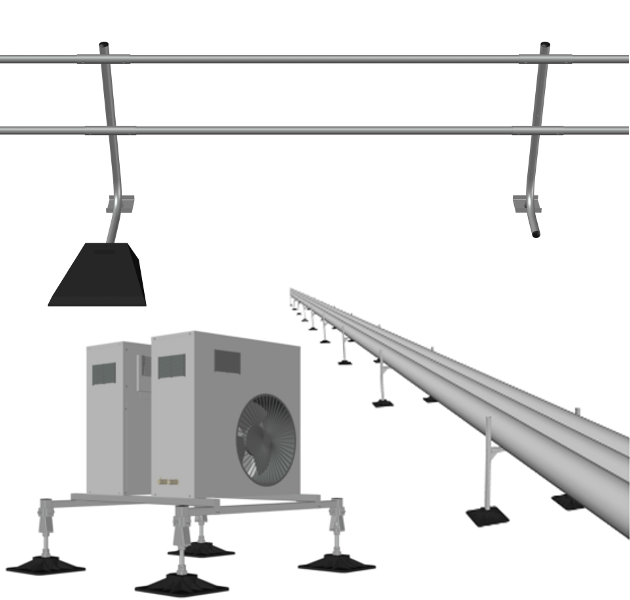
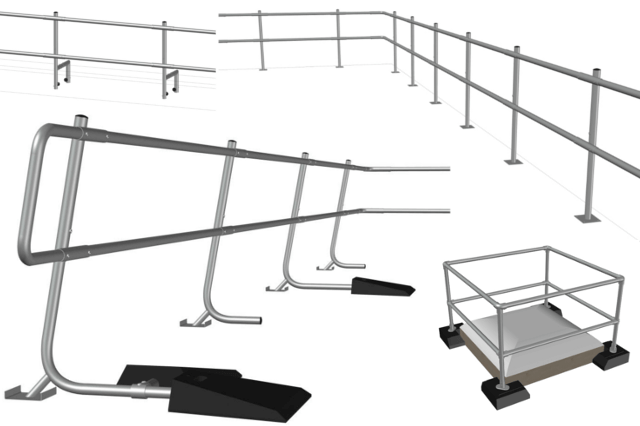
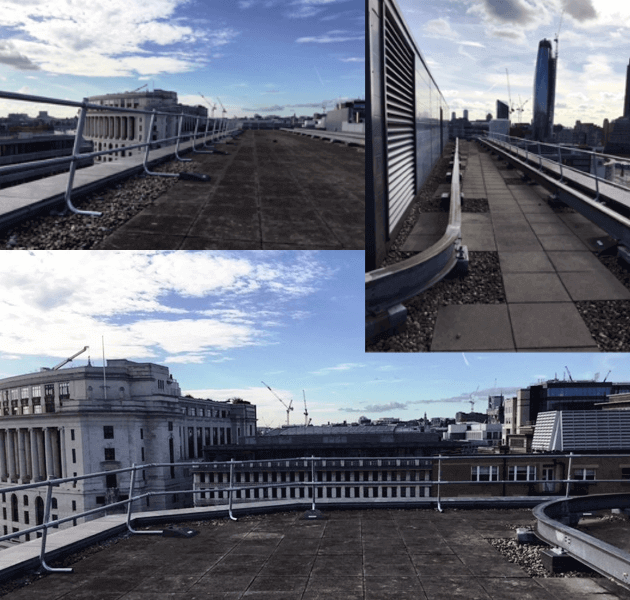
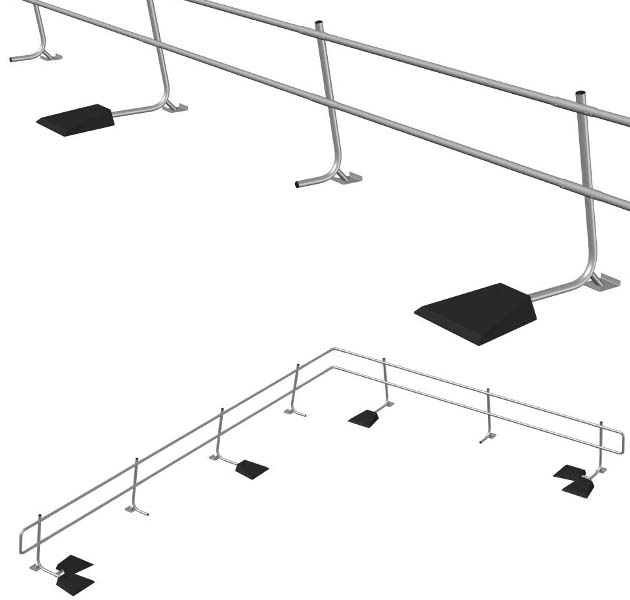
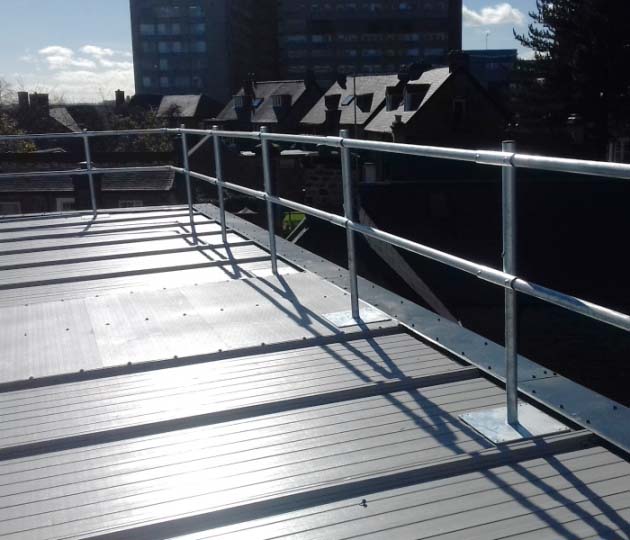
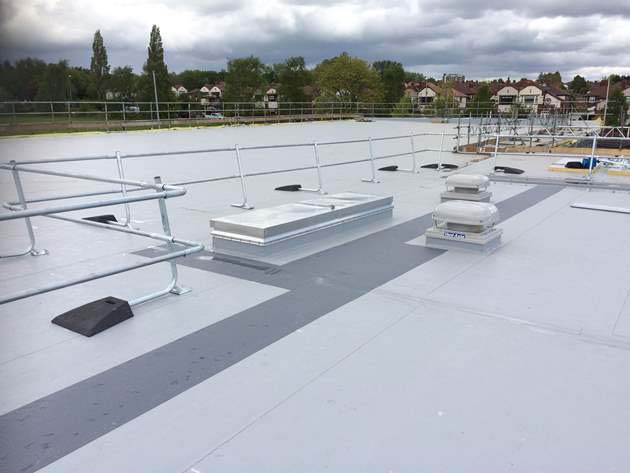
Installing perimeter roof safety guardrail is the number one way to protect people working at height on your roof AND your business reputation should an incident occur. An installed or freestanding guardrail eliminates the need to rely on contractors to hook up to a line safety system, and enables them to move freely around all roof areas they need to access.
- Fragile Skylights
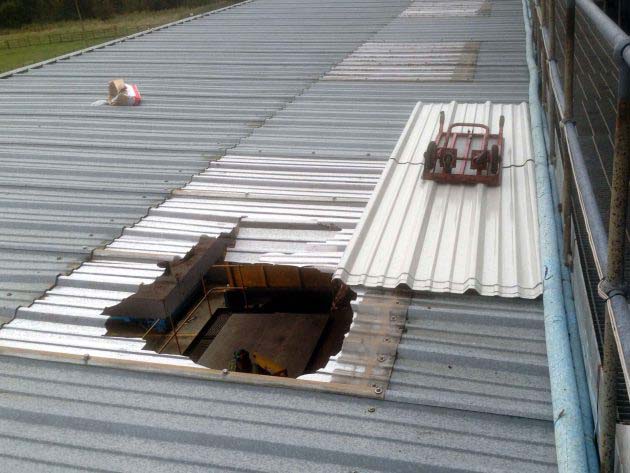
Fragile roof areas are a common hazard, and often not properly highlighted or signposted to contractors working on the roof. Skylights pose a fall risk, or can easily be damaged during repairs.
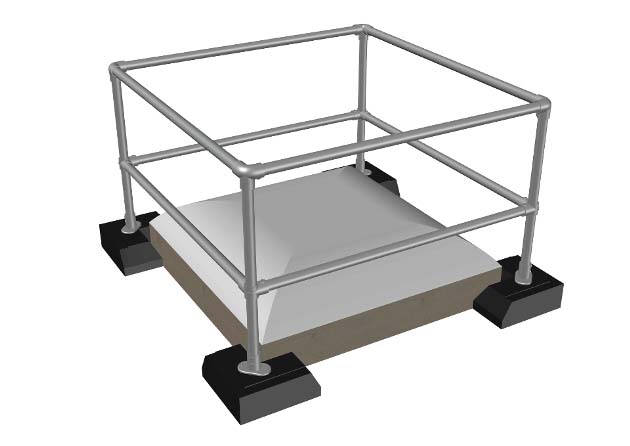
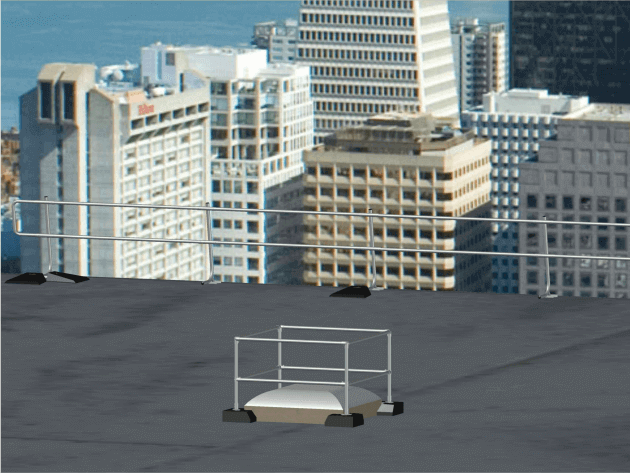
It’s easy to avoid fragile roof lights from being broken or stepped on, though. Freestanding rooflight protection systems can be easily installed around a skylight without the need for permanent fixtures. This makes it an ideal flexible option, in case the rooflight itself requires access at any point.
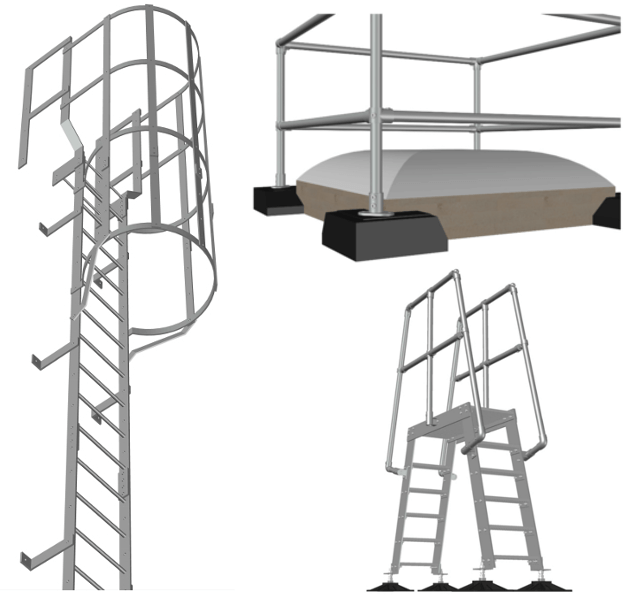
The freestanding system is weighted at each corner, preventing the guardrail from shifting in any direction. The railing will not only physically prevent falls, but also highlight the fragile roof area simply from its presence, helping to improve roof safety for any contractors working on your premises.
- Loose Cables
With all sorts of plant sat on or in the rooftop of most business premises, it’s easy to forget that cables connected to them need to be kept tidy.
Loose cables can easily cause trips and falls for anyone working on a roof. In addition, cables that are not kept in an orderly fashion can delay repairs as the right cable for repair is sourced. Cables that sit flat on a roof surface also risk being frozen in cold weather, especially on uneven rooftops, which can damage the cabling and pose further related risks.
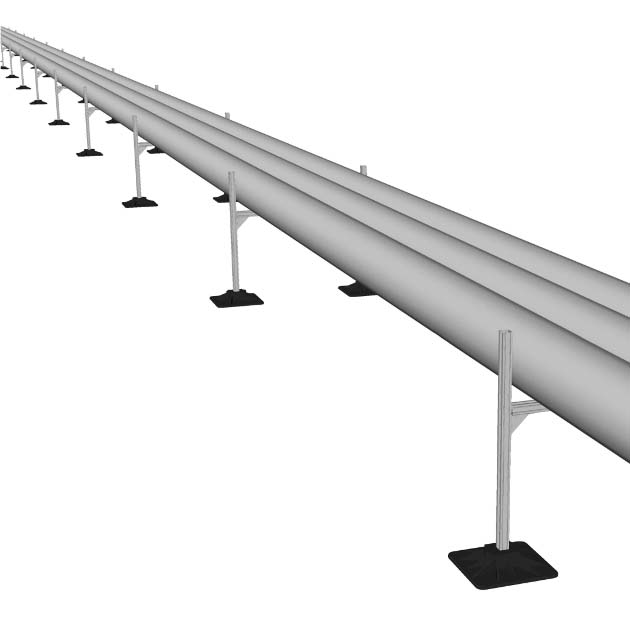
A simple but quick way to prevent falls and iced cables is to raise them off the roof surface. This can be done with cable trays, which also make it much easier for contractors to locate and access the right cables when required.
- Hard-To-Access Plant
Whether tucked behind a chimney or up on top of a stack, accessing plant such as air conditioning units isn’t always easy. Having plant on a roof surface also runs the risk of damage to the roof itself, or preventing access to the underside of plant that requires repairs.
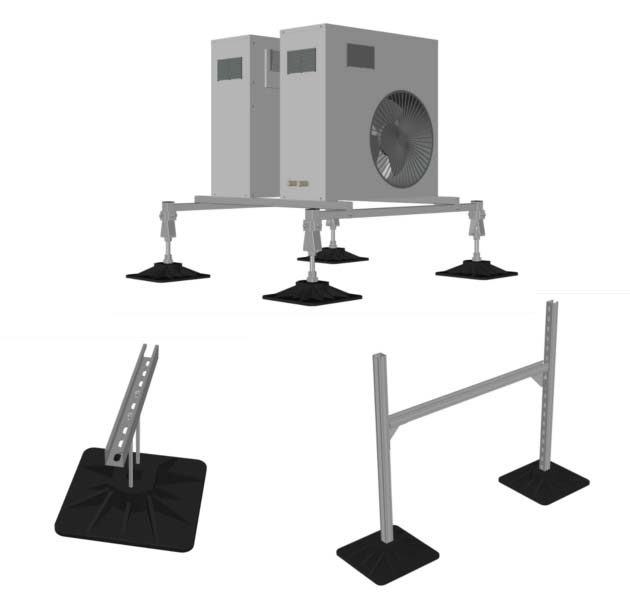
It’s easy to fix! You can raise your plant using specialist plant stands. This makes it much easier to access all areas of a unit, and prevents any damage to the roof surface.
- Multi-Height Obstacles
Rarely is a roof level. There are often many different areas to access, each on a different level. Any contractor must be kept safe during this action, which is a challenge.
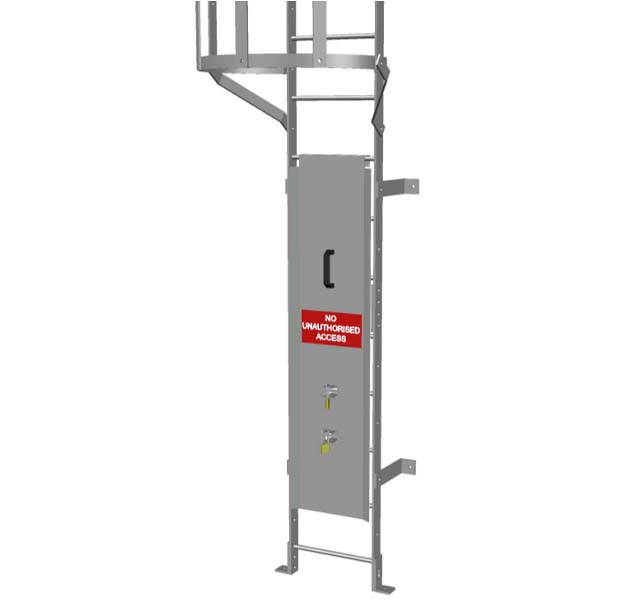
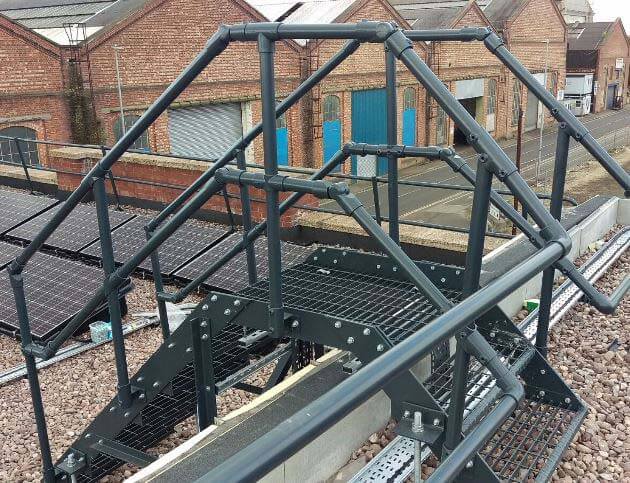
Installing suitable ladders is the first step to making access at height easy and safe. Another option is to use step-over platforms to bridge short gaps or enable contractors to work more comfortably at height. Instead of leaning over on unstable ladders, they can safely and permanently access units for maintenance and repair with a steady platform!
If you think you need to do more to protect contractors and workers on your rooftop, get in touch. We’re happy to advise you on with a no-obligation call to help you decide the best roof safety options for your business premises.